
Retaining walls most commonly fail due to inadequate drainage, overturning from insufficient footing width, sliding across the footing, footing settlement in poor soil, or broader slope (global) instability. Most of these causes are preventable with correct engineering design.
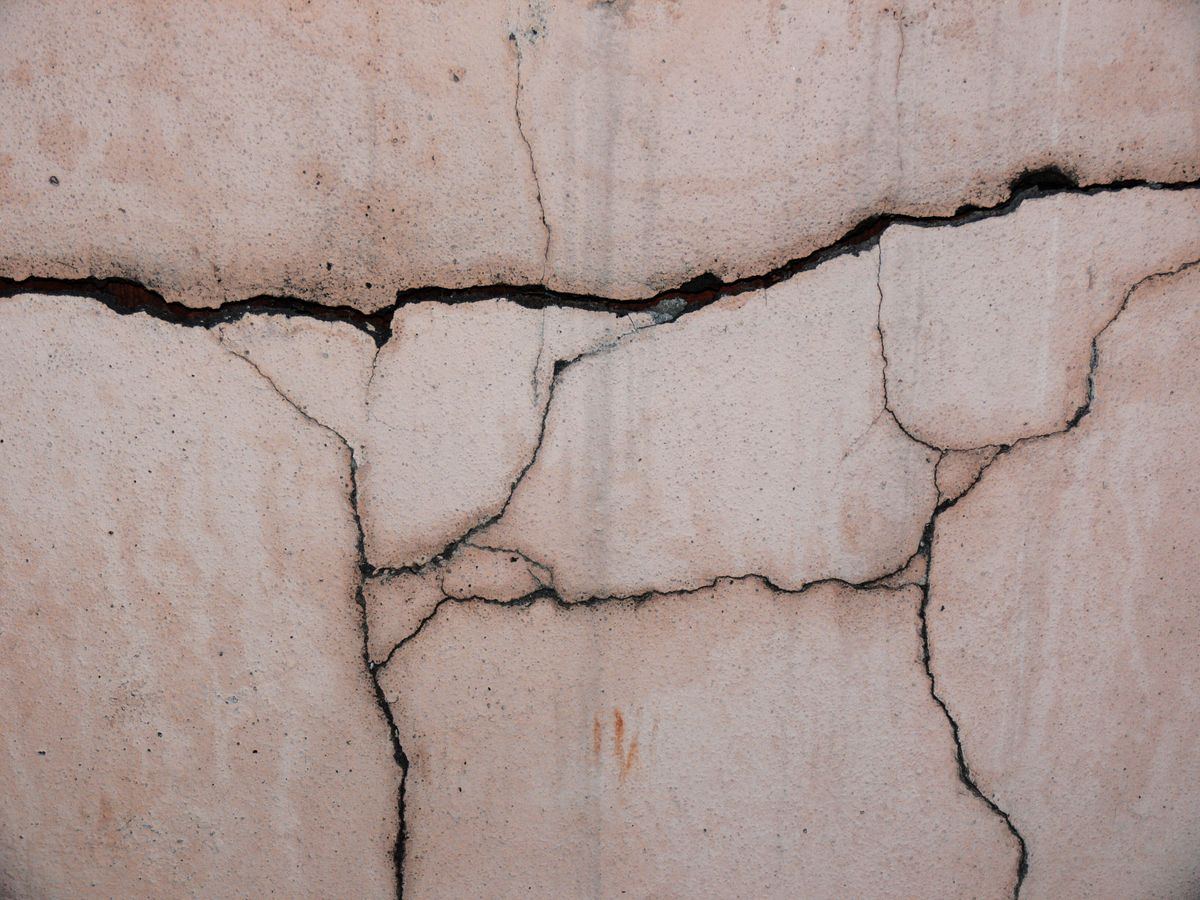
Retaining wall failure usually comes down to one of a handful of causes — most of them preventable with correct engineering design.
Drainage failure
By far the most common cause. Trapped water increases pressure on the wall well beyond what it was designed to resist.
Overturning
The wall rotates forward around its base — usually a sign of insufficient footing width or depth for the height and load involved.
Sliding
The wall slides forward across its footing, typically from inadequate friction or a missing shear key in the footing design.
Footing failure
The footing itself settles or cracks under load — often linked to poor soil conditions that weren't properly accounted for.
Global (slope) instability
The whole slope — wall included — moves as one mass. This is a geotechnical issue, not just a wall design issue, and is why soil testing matters on larger or complex sites.